


Stories worth reading. Stop indexing the internet.

The Obsessive Race to Make a Four-Ounce Running Shoe
“Gas-injected foams and paper-thin uppers make high-tech shoes lighter than ever before—and records are tumbling just as fast” [WSJ]

The History of McPizza and McDonald’s Pizza
“McDonald’s tried to make pizza fit the drive through and found out it wasn’t so simple” [Retroist]
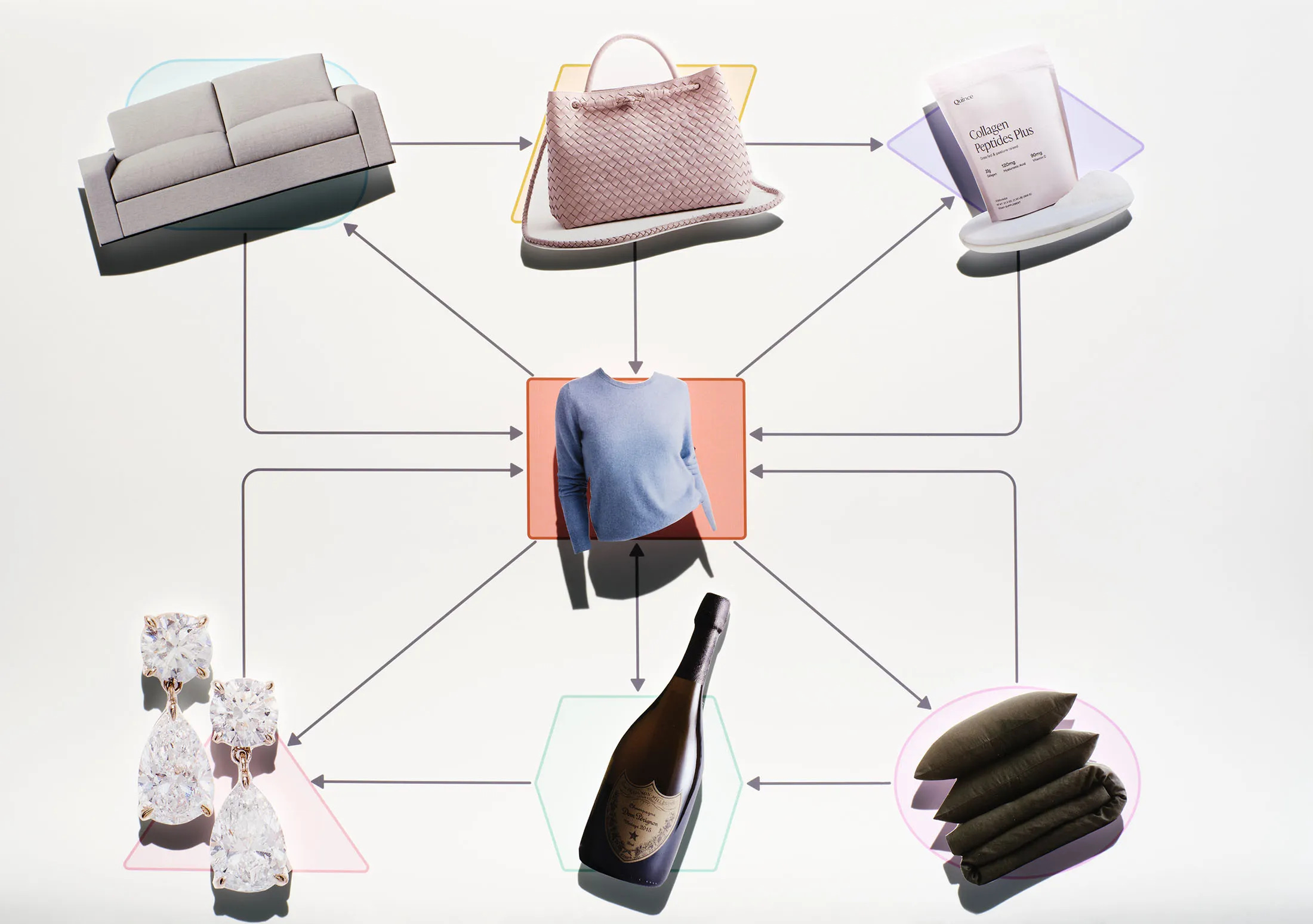
Quince’s Best-Kept Secret Isn’t Its Cheap Cashmere and Couches
“The online apparel retailer has become a $10 billion-plus e-commerce giant by mastering the art of the supply chain.” [Bloomberg]

The Bra-and-Girdle Maker That Fashioned the Impossible for NASA
“Crafting a spacesuit demanded perfection from seamstresses to gluers to engineers — every stitch could mean life or death.” [MIT Press Reader]

Sunday at La Bombonera
“Clásicos are like Christmas for football. In these high-tension matches between fierce rivals, expectation almost always outstrips results. For months, fans visualize goals with the unrealistic yearning of a child who hopes for a new PlayStation from Santa Claus in exchange for a few cookies left out for his tired reindeer.” [The Paris Review]
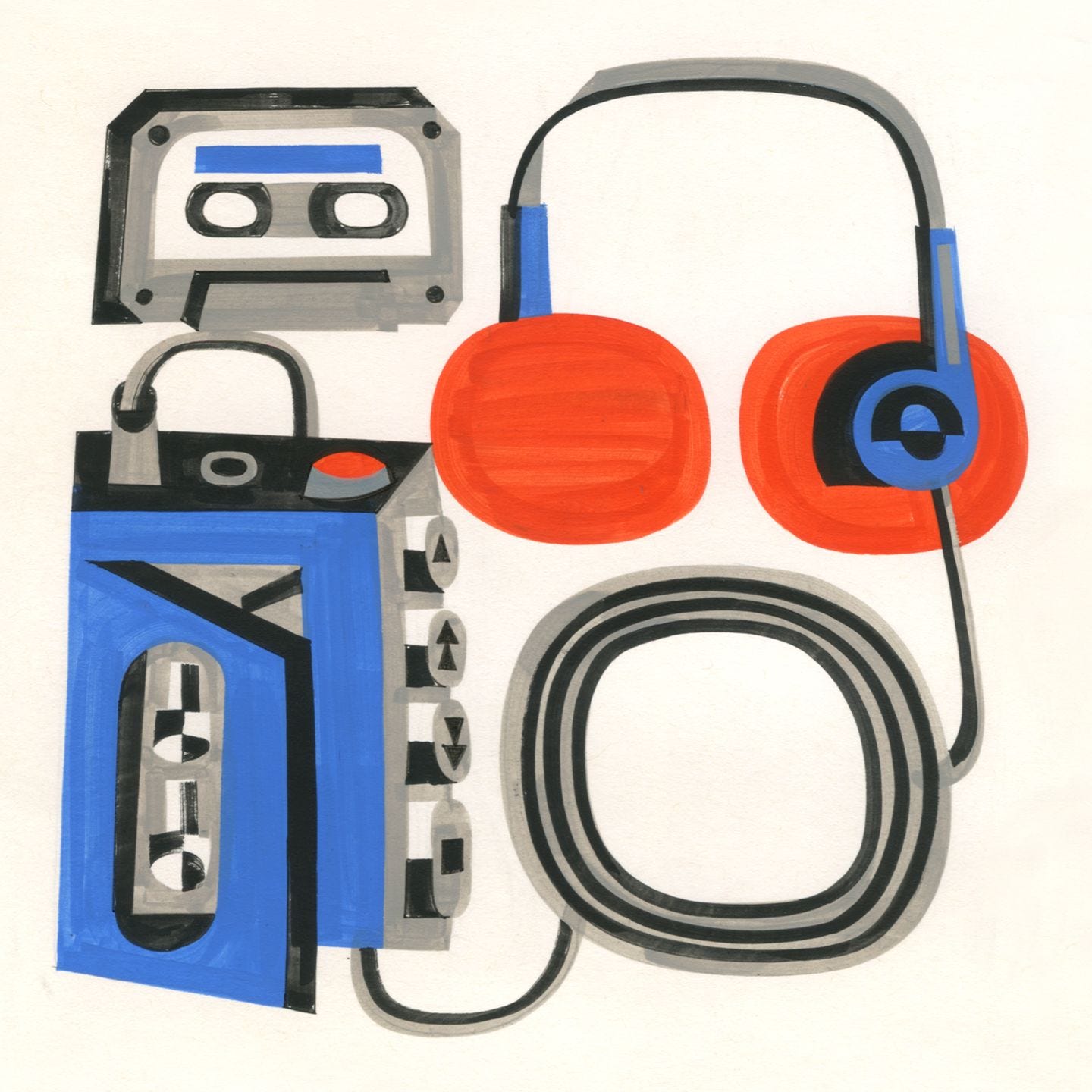
Our Longing for Inconvenience
“The modern world has made us ill-equipped for the nuisances of past technologies, even as it has fuelled nostalgia for things that might transport us back to calmer times.” [New Yorker]

Your Backpack Got Worse On Purpose
“In 1986, a corporation that made women’s lingerie bought every backpack brand you’ve ever trusted.” [Worse on Purpose]
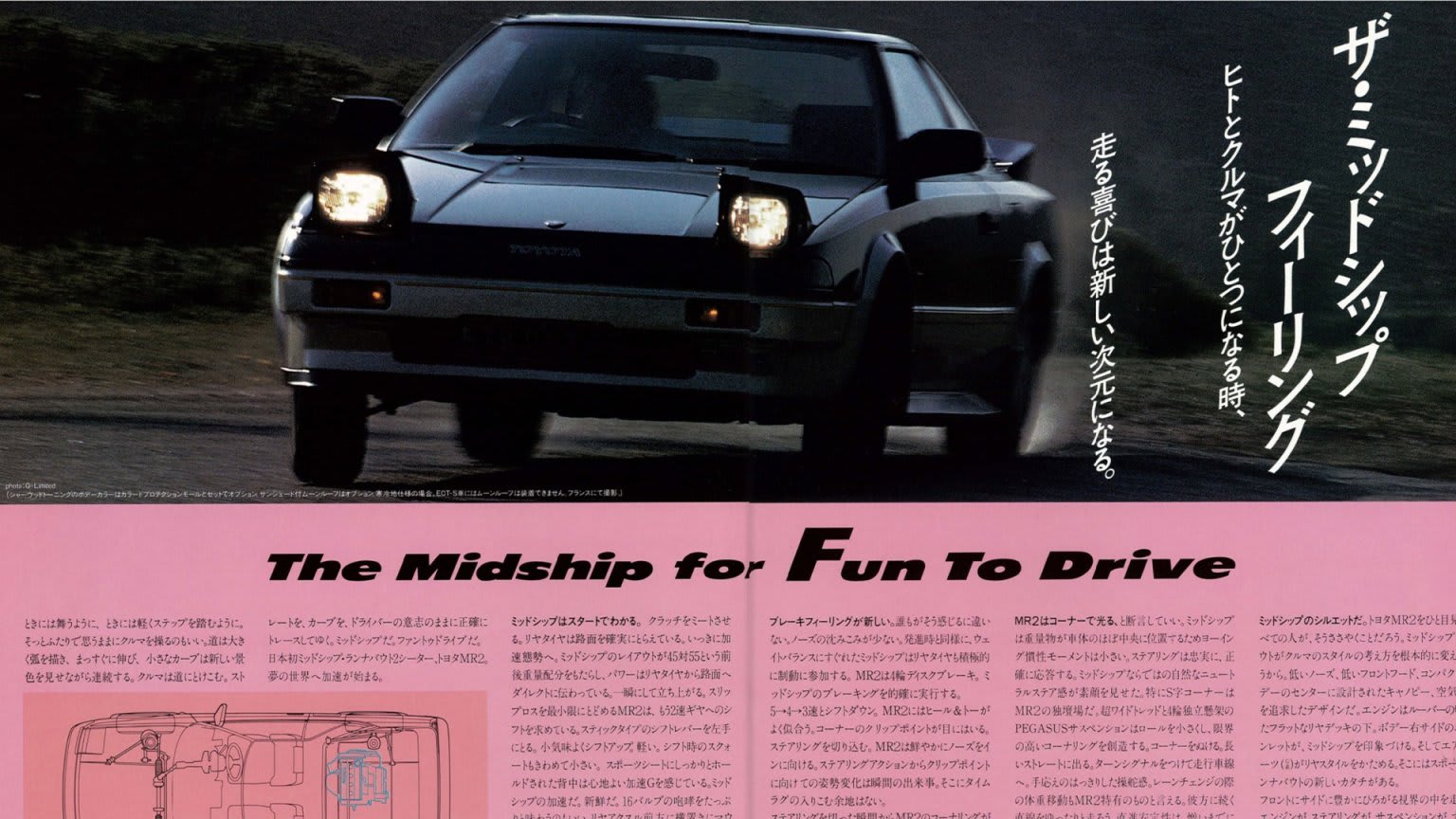
How Japan’s Language Shapes Its One-of-a-Kind Car Culture
“You don’t have to speak Japanese to see the language and culture’s influence on your favorite cars. It’s what makes them so special.” [The Drive]


A shortlist of things we’ve got our eye on.

Corridor Berg Stripe LS - White

Nervous Breakdown: Raymond Pettibon

Factor’s Button Pipe Leg Trouser in Khaki Twill

Steele Canvas Steeletex Beach Tote

James Coward Apron Toe Derby


Ashley Ogawa Clarke

Ashley is one of the menswear writers we find ourselves returning to most when it comes to understanding what’s actually happening in Japan. Based in Tokyo, where he lives in Nakameguro with his wife and their wardrobe, he’s the correspondent for Vogue Runway and publishes Wimpy, a newsletter covering the designers, shops, and names most of the fashion press hasn’t caught up to yet. We spoke with him about the Tokyo shops worth seeking out, the Japanese designers he expects to break through, and where menswear is headed next.
How did you first end up living in Tokyo, and what do you think the city understands about clothing that the rest of the world still doesn’t?
This is technically my second time living in Japan. I first moved to Tokyo in 2015 not long after graduating, and spent a couple of years teaching English. I wanted to get more experience as a journalist so went back to London, worked there for five years, got married, and moved back to Japan in 2022. I could write you a dissertation about why the approach to clothing is unique in Tokyo, but to sum it up, it’s about access. The retail landscape is so incredibly rich and deep, so you can find something that resonates no matter your taste. Also, people generally make an effort here, and care more about the small details of an outfit. That was true hundreds of years ago when people wore kimono, it was true in the Harajuku street style era of FRUiTS magazine, and it’s still true today.
Living there gives you access to stores and makers most readers will probably never encounter. Have you discovered any shops or brands recently that have stuck with you?
It’s an occupational hazard! Too many great things to buy. I’m slowly charting the most interesting shops over on my Substack, and am constantly coming across new stores, brands, and makers, whether on the grapevine, online, or just by stumbling across them on the street. The other day I walked past this tiny shop in Harajuku called ‘CHILLWEEB’, where they sell rare anime T-shirts, which is just so deliciously niche. My favourite stores are always the ones with an IYKYK vibe that you have to put in some work to discover, like The Four Eyed in Shinjuku, or Mindbenders & Classics, which is this amazing antique clothing store just north of Ginza hidden on the top floor of a building that you reach by one of those vintage gated elevators.
If someone came to Tokyo for a week with a serious interest in clothes, what would you tell them not to miss?
Has to be the vintage, which is surely better here than anywhere else in the world. Usually it’s in well-kept condition, and though it’s not always cheap, it’s the best way to find a unique souvenir to take home with you. One of the best is Sinot Clothing in the Yoyogi area, the range spans some retro 90s tees to old chore coats that are literally falling apart, and PAT Market in Shibuya has some rare archive finds.
You’ve written about “honest menswear” quite a bit. Is there a brand you’ve come across recently that made you rethink or update that idea?
I’ve recently been very interested in ISSUETHINGS, a relatively new label by designer Shinji Watanabe that he founded in 2020. Watanabe references mistakes made during the manufacturing process by intentionally incorporating them into his clothing, which makes for some really unique (but very wearable) results. I think he provides a refreshing take on a brand that is still obsessed with fabric and silhouette, but with a twist that goes beyond beautiful clothing. I also think Kota Gushiken, a super friendly knitwear designer in Tokyo, makes brilliantly fun sweaters that I hope gain more traction abroad.
Who’s at an even earlier stage than the names you’ve already covered — someone with almost no international profile yet?
It’s crazy now how quickly great Japanese brands get hoovered up by the rest of the world at the moment, it’s hard to keep them secret for long. One brand that I expect to blow up in the coming seasons (at least among menswear nerds) is called A MACHINE, but you’ll have to wait for a story I’m currently working on to find out more.
After being exposed to so many great Japanese designers — are there any American brands that you would consider exceptional or highly interesting?
Absolutely! I think there are some seriously great makers across America. Never Cursed, an independent brand by Dylan Lewis, caught my attention a few seasons ago when a friend told me about them. The place where menswear is right now owes a lot to Evan Kinori, he really got guys nerding out about different dyes and fabrics in a way they hadn’t done before.
What’s something you’ve been thinking about lately in clothing that people aren’t really talking about yet?
I’m curious as to what will come after the fabric-obsessed, earthy minimalism of the moment. I also think China and Korea will gain much more influence in fashion in the coming years. There’s a lot of design talent bubbling up there, and they have access to factories and resources in ways that designers in the West don’t, so I think we can expect more and more interesting clothing to emerge from these countries.

Welcome to Classifieds. A place to share what’s happening in and around our world. Shops, events, newsletters, projects, whatever you’re working on. If you’d like to place something, get in touch. $200 for four ads, 280 characters each.
🛒 Drake’s RTW & MTO SF Pop Up @ Presidio Post
April 23 - 26. 1301 Mason St. San Francisco, CA 94133.
New collection and core range of Perennial products will be available, alongside Made to Order tailoring, shirts and ties. Members of their Canal Street team will be on-hand to guide you through the new range of fabrics and products.
🛒 Jungmaven NYC Pop Up
April 17th - May 13th. Tuesday - Sunday, 11am - 7pm. 168 Ludlow St New York, NY 10002
For one month only, we’re taking over a dedicated space at Assembly New York on the Lower East Side. Hemp hits different in person - come feel the fabrics, try on the styles you’ve been eyeing online, fall in love - and help grow the movement to get everyone in hemp!
Our man in Japan!
I appreciate this substack, but am sad that many of the links are paywalled. I know that’s not your fault, but it makes it hard to justify upgrading the subscription when it’s mostly a collection of things I can’t read.