


Stories worth reading. Stop indexing the internet.

From The Kids’ Table: Ode to the On-Mountain Meal
“A writer reflects on the many meals he’s had slope side, and why lunch—even a cafeteria pizza—always tastes better following a morning of skiing” [The Supersonic]

A vintage watch broke auction records. Then the rumours started
“As demand for luxury watches has rocketed, the business has become beset by skulduggery” [The Economist]

RIP Steve Sheetz, Altoona Convenience Store King
“He lived a life filled with zzzzz’s, but one far from snoozy.” [Food Time with Matt Rodbard]

The Backcountry Rescue Squad at America’s Busiest National Park
“In the Great Smoky Mountains, an auxiliary team of élite outdoorsmen answers the call when park-goers’ hikes, climbs, and rafting adventures go wrong.” [The New Yorker]
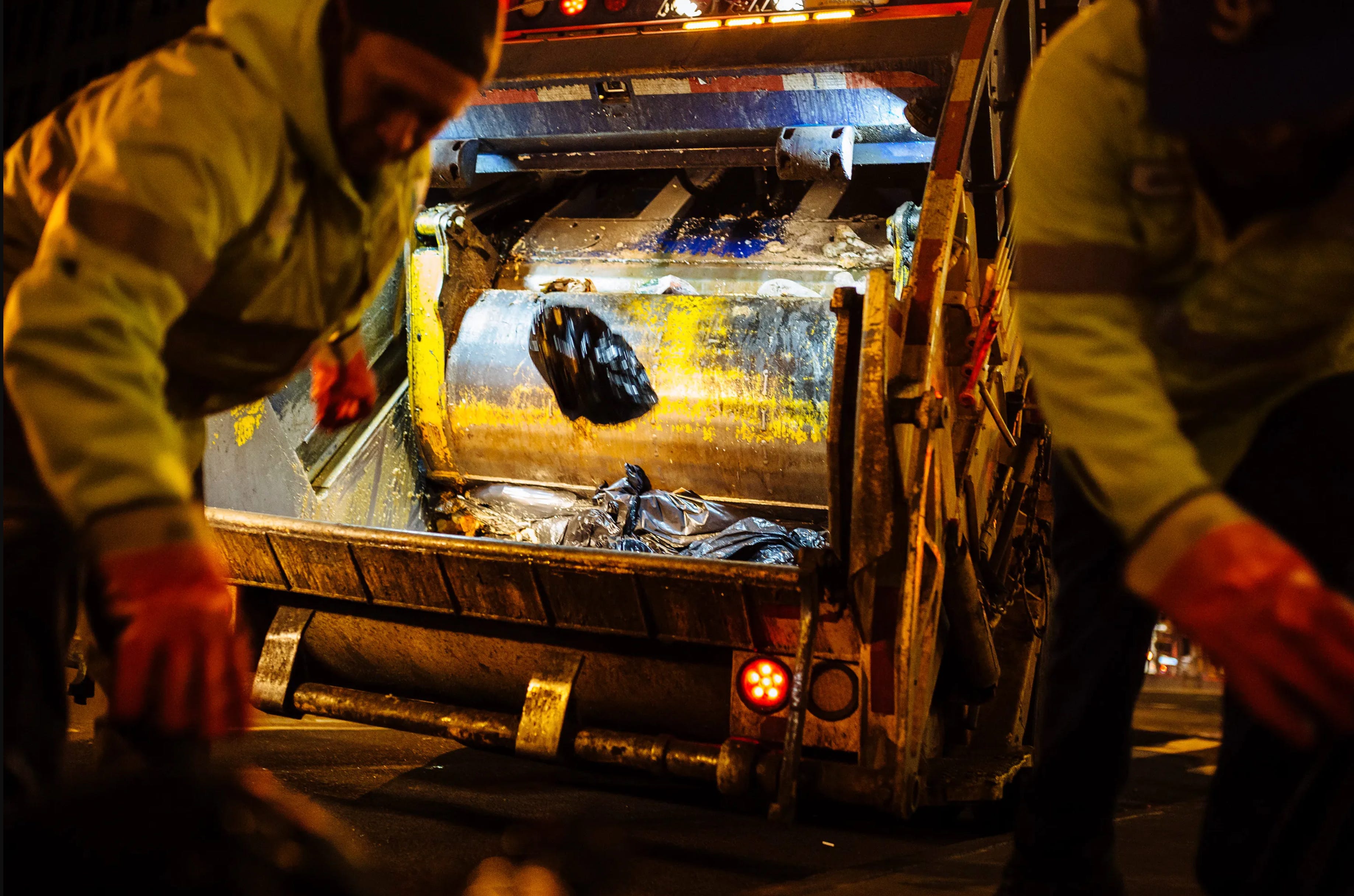
Trashed: Inside the Deadly World of Private Garbage Collection
“Waste removal is one of the most dangerous jobs in the country. On the darkened streets of New York City, it’s a race for survival.” [ProPublica]

The One Line Americans (Weirdly) Choose to Wait In
“Grocery self-checkout lines are now often longer than the staffed ones.” [The Atlantic]

The Right to Repair Edition
“On the death of tinkering, sealed boxes, and owning vs. using.” [WITI]


A shortlist of things we’ve got our eye on.

Synch Tec Orange Hat / Gaiter

Everybody.World Cotton Twill Life Uniform Pants

Peak Design Passport Wallet

How Things Are Made: A Journey Through the Hidden World of Manufacturing

Reproduction Of Found Italian Navy Military Deck 730FDL

Joshua Ellis® Cashmere Scarf in Black Watch Tartan



Vibram is a company whose work most people recognize, even if they don’t always realize it. The yellow octagon shows up across modern footwear, from alpine climbing and trail running to handmade boots and some of the more unconventional shoes on the market.
Footwear is one of those categories where perspective matters, and you can never really have enough of it. For most people, there’s a natural shift over time from focusing on how a shoe looks to how it actually functions and feels. If something isn’t comfortable, it simply doesn’t get worn. With that in mind, we spoke with Corrado Giambalvo about his work at Vibram and how materials and movement show up in real use.
For readers who may not know you, how did you end up at Vibram?
My path wasn’t linear, but the interests were consistent. I studied architecture and visual studies, spent more than twenty years working as a journalist, explored filmmaking, became a certified track and field instructor, and eventually returned seriously to running. That led me to barefoot running and then to Vibram FiveFingers in the mid-2000s, when almost no one was thinking about footwear that way.
In 2010, that mix of curiosity, timing, and hands-on experience brought me to Vibram as a product tester. Today, as Senior Tech Rep for Retail Marketing, the role is still about translation. I work with users, retailers, sales teams, and partners around the world to help explain Vibram technology across categories like outdoor, trail, work, lifestyle, and FiveFingers.
What’s unique about Vibram is that this technical storytelling isn’t siloed. Whether I’m at UTMB in Chamonix, training retailers in Italy, or working with R&D, I’m one of many people helping carry forward a very human, technically driven heritage.
FiveFingers are instantly recognizable and often debated. What do people get wrong about them?
It’s less about being wrong and more about expectations. FiveFingers are about shape and feel. They’re foot-shaped, with individual toes, designed to emphasize sensory feedback, comfort, and performance.
For some people, that clicks immediately. For others, it can feel unfamiliar at first. When I explain them simply, I describe FiveFingers as a reconnection tool. They encourage awareness of how your feet, body, and mind work together.
They also ask something of the wearer. There’s a learning curve, even in how you put them on, and they reward a gradual, honest approach. They’re not for everyone, but for those who connect with them, they offer a kind of function and identity that traditional footwear rarely does.
You’ve worked with a wide range of footwear makers. What have those experiences taught you about what actually makes a good shoe?
Good shoes come down to fundamentals: protection and performance. That starts with choosing the right outsole design, the right technology, and the right rubber compound for the job.
A compound like Megagrip is built for reliable grip and durability on wet and dry terrain. Megagrip with Litebase delivers that same performance with reduced weight, which matters for faster or more technical movement.
A good shoe is one where design, technology, and real-world use are aligned. When that happens, the shoe works better, lasts longer, and earns its place over time.
Across everything Vibram touches, what should every great shoe have in common?
Purpose. A great shoe has a clear reason for existing. That purpose might be performance, protection, or even style. Style matters because it’s tied to identity and self-expression.
That clarity needs to exist at the design stage. What is this shoe meant to do? The shoes that endure usually start with a strong purpose, then evolve without losing their core identity.
What do people overlook when it comes to long-term comfort and foot health?
The basics matter more than people realize: comfort, proper fit, breathability, adaptability, enough grip when needed, and ease of use. Over time, those details have a big impact on how your feet feel and function.
I’m not a doctor, but years of observation make one thing clear. People vary enormously. What works for one person may not work at all for another. Human movement is complex, and footwear needs to respect that complexity rather than forcing a universal solution.
If someone wanted one pair of shoes to cover the widest range of real life, what would you suggest?
The idea of one shoe that does everything is appealing, but footwear benefits from specialization. Shoes are portable, relatively affordable, and better when rotated.
That said, multi-use footwear has real value, especially for travel or daily movement that includes walking, cycling, light hiking, and commuting. FiveFingers, Vibram One Quarter, or approach shoes can all be versatile when weight and space matter.
The smartest approach is balance. Use specialized footwear when performance matters most, and rely on well-designed multi-use options when convenience matters more.
Has anything recently changed how you think about footwear design or performance?
Riding my Brompton foldable bike more than a thousand miles did. Using Vibram-soled footwear with recycled EcoStep compounds while riding highlighted how purpose, portability, and connection to the ground matter as much in shoes as they do in bikes.
The interaction between sole, pedal, and movement felt natural and efficient. The Brompton pairs strong identity with real-world function, which is exactly what good footwear should do. It also reinforced the idea that portability itself can be a form of performance.
Products that live close to the human body, bikes, shoes, soles, play an increasingly important role in how we move. When they’re designed with clarity, they quietly improve daily life.