


Stories worth reading. Stop indexing the internet.

NASA Ivy
“Mid century control rooms and the accidental uniform of American menswear” [Easy on the Ivy]

How an iconic Masters moment came to be, and has come to last
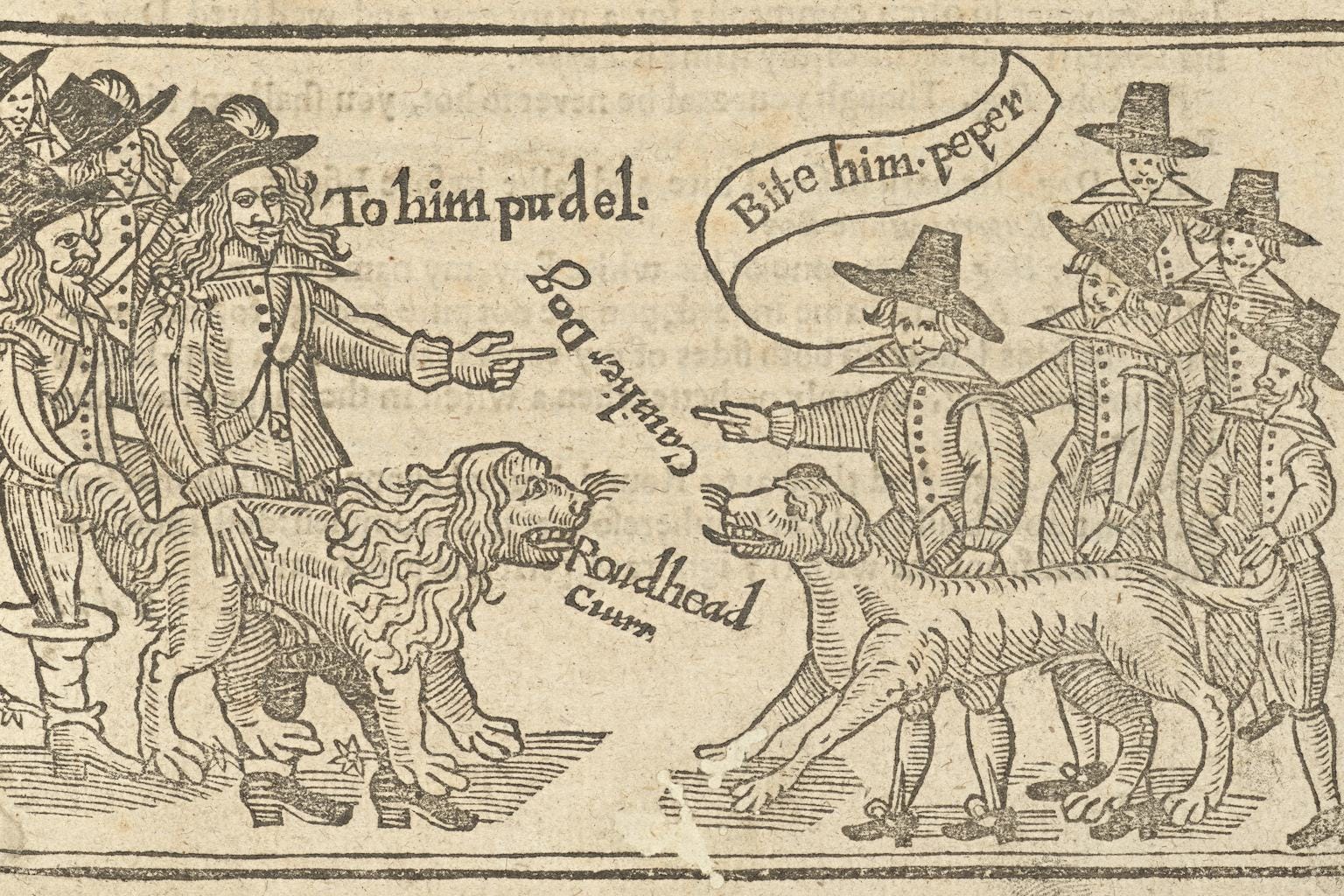
Hands off my hat! The hidden power of headwear and ‘hatiquette’ in early modern England

The Oldest Chinese Restaurant in the U.S.—Now
“With the Closing of The Pekin Noodle Parlor in Butte, Montana, Wisconsin’s Cozy Inn Moves Up.” [The Mix with Robert Simonson]


The Dark Wizard
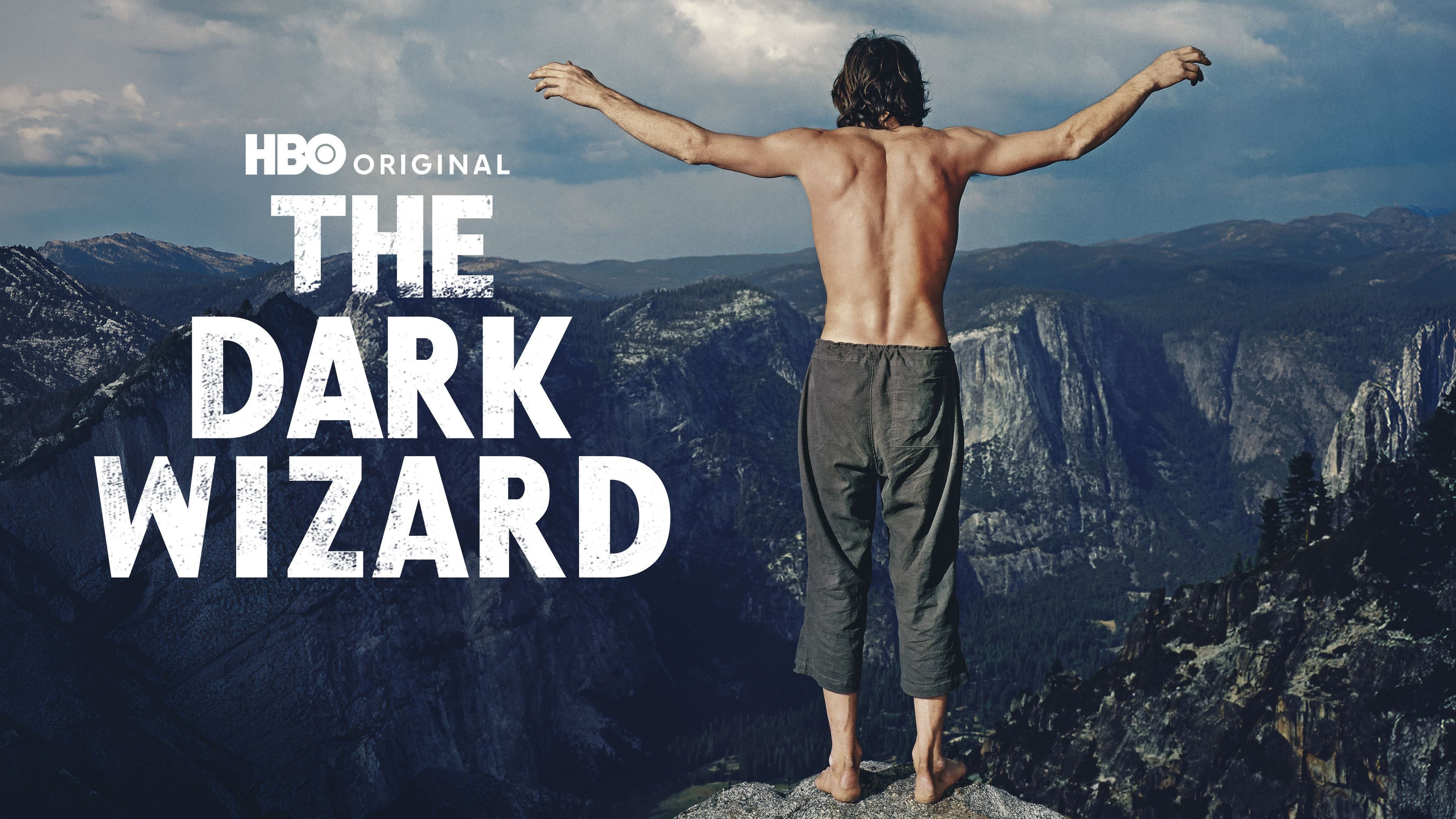
The Dark Wizard is worth your time. HBO’s four-part documentary on the late Dean Potter covers familiar ground if you’ve seen Free Solo. Yosemite climbing, El Cap, sweaty palms while watching, that whole world. Potter was one of the more fascinating people to come out of it, constantly pushing toward bigger risks through climbing, base jumping, and eventually proximity wingsuit flying. What really stayed with me though was the contrast with Alex Honnold, who shows up throughout the series. Honnold has been documented endlessly at this point. There’s clearly something in him that just doesn’t process fear the same way most people do. Potter comes across as incredibly gifted and deeply unsettled at the same time. He was searching for something he could never quite name and ultimately never found.
There’s a ton of interview footage with Potter himself, but it’s the diary entries that pull you in. At times they feel almost too personal, but they also give the whole thing its weight. You get dropped directly into his head in a way interviews alone never could. It also makes him feel surprisingly sympathetic. Someone who could be difficult and clearly let his ego get away from him, but who was also struggling in ways that weren’t always visible from the outside. Knowing how the story ends hangs over the entire series.
Beyond his climbing and flying career, the series spends a lot of time on the tension between adventure and commerce. Potter initially resisted all of it: sponsors, the Masters of Stone video series, anything that felt too close to selling out. Eventually he realized he needed money to keep pushing toward the things he wanted to do, and that meant compromises he wasn’t always comfortable with. Patagonia was the clearest example. Potter spent years as one of the brand’s most recognizable ambassadors, showing up in catalogs and campaigns. It’s worth remembering how much has changed in twenty years. Back then, the catalog was still the premier medium for showcasing ambassadors, and there’s something quaint about that now. The Delicate Arch climb in 2006 is where that relationship finally cracked. The fallout was immediate, and watching Rick Ridgeway talk through it is uncomfortable in a way that feels intentional. Potter later ended up in a long-term relationship with Jen Rapp, Patagonia’s former Head of Communications, who appears throughout the series. Just another layer to the story.
Style Notes
— Climbing has always been a reliable source of style inspiration and it’s easy to understand why. Early Yvon Chouinard photos have lived on moodboards for years now, and you can still see brands like Big Rock Candy Mountaineering and William Ellery pulling from the same world. The clothes serve a purpose first and get beaten into the ground in the process. Potter probably didn’t think much about what he was wearing beyond chopping a hat into an improvised visor, and that’s exactly why it worked. Another one of the countless examples of how inherently cool dressing purely out of necessity is. Being extremely tall and lanky doesn’t hurt either.


— What made the footage even more surreal was what they were actually wearing while doing a lot of this stuff. You don’t expect to see someone climbing the face of Half Dome with no safety gear, let alone dressed for a summer cookout. Potter was highlining in jeans and an Adidas soccer jersey. Neither of them looked the part, which somehow made it all feel even crazier.

— I still can’t get behind the capri pants, functional or not.
:max_bytes(150000):strip_icc():focal(749x0:751x2)/Dean-Potter3-HBO-The-Dark-Wizard-042026-364ef3d8ee6d4197aba3c89c09ff9297.jpg)
— Vintage Patagonia is obviously always front and center in this world, but several of the vintage prAna pieces caught my eye and feel like a relatively untapped corner of eBay.
Four episodes. Stream The Dark Wizard on HBO Max.
— TS


A shortlist of things we’ve got our eye on.

Casatlantic TAZA

Maintenance of Everything by Stewart Brand

Billykirk No. 630 Rally Watch Strap, Onyx Cordovan

XTEINK X4 E-Book Reader
h/t Selectism

BEAMS+ Open Collar Sailing Print Shirt - Blue

Chad Coll of C.S. Coll Spoon Co.

C.S. Coll Spoon Co. embodies much of what we want to see in the world. Artisan, small batch, quality and a highly specific offering. Judging from how often (and how quickly) the drops sell out it seems many other people see the good in the company as well. We connected with Chad Coll and immediately wanted to learn more about just how he became a modern-day spoon kingpin of Kittery, Maine.
Chad, why spoons of all things?
I kind of fell for every part of the idea of a spoon. It’s one of the first tools we ever use, simple and familiar, but it can also be shaped and refined into something that borders on art. At a certain point, it almost stops being a tool and becomes something you’d hang on a wall.
We never had those dreaded black plastic cooking utensils in our house — my mom has used the same wooden spoons my entire life. Why did we ever get away from cooking with wood utensils?
I’m no historian, but there was definitely a time when plastic felt like the “clean” and modern choice. Now we know it doesn’t always hold up, especially at high heat and it can bring things into your food that you probably don’t want there. Beyond that, there’s just something lost when your kitchen is full of flimsy black plastic. Wood feels better, looks better, and connects you a bit more to what you’re making.
What are some other kitchen brands you like or appreciate from a business perspective?
I’ve always appreciated Blanc Creatives. Cory’s been making incredible kitchen pieces in the Virginia Blue Ridge for years. It’s a great example of balancing craft and function. And while there are a lot of great cutting boards out there, getting a Boos kitchen island was a game-changer for me. They’ve been doing butcher block right for a long time.
Is there a concern about mold or bacteria with using wood, or can it be cleaned like anything else?
We treat everything with food-safe mineral oil, which helps create a barrier against moisture and buildup. There are a lot of opinions out there about wood care, but the big thing is to use an oil that won’t go rancid. Most cooking oils eventually will. For cleaning, just keep it simple, warm water and mild dish soap. That’s it. We use hard maple, which is dense, tight-grained, and naturally resistant to moisture and bacteria.
You are frequently sold out. Are you surprised by the response?
I honestly never expected this to reach this level. Our recent restocks have sold out in seconds, where typically a restock of that size should last over a week. We’re still a very small operation, and even calling it a “business” sometimes feels wild. We’re working toward more regular restocks to make things a bit easier to grab. I’m incredibly grateful to be able to do this and support my family through it.
Do you have plans for expansion beyond wood spoons and utensils?
We’ll expand over time, but nothing too crazy. I like keeping things simple, focused on well-made wooden utensils. That said, I’m always curious about what’s next, so we’ll see where it goes.

I just finished "The Dark Wizard" and kept thinking the whole time, should I do a vintage GORP style post on this? Whomp-whomp