


Stories worth reading. Stop indexing the internet.

Hanoi’s humble beer glass and the memory of a nation

The Undeniable Creep of Baseball’s Backstop Ads
Want to know how rich your favorite baseball team is? Just take a look behind home plate. Once you notice the differences, they are hard to un-see. [Club Sportico]
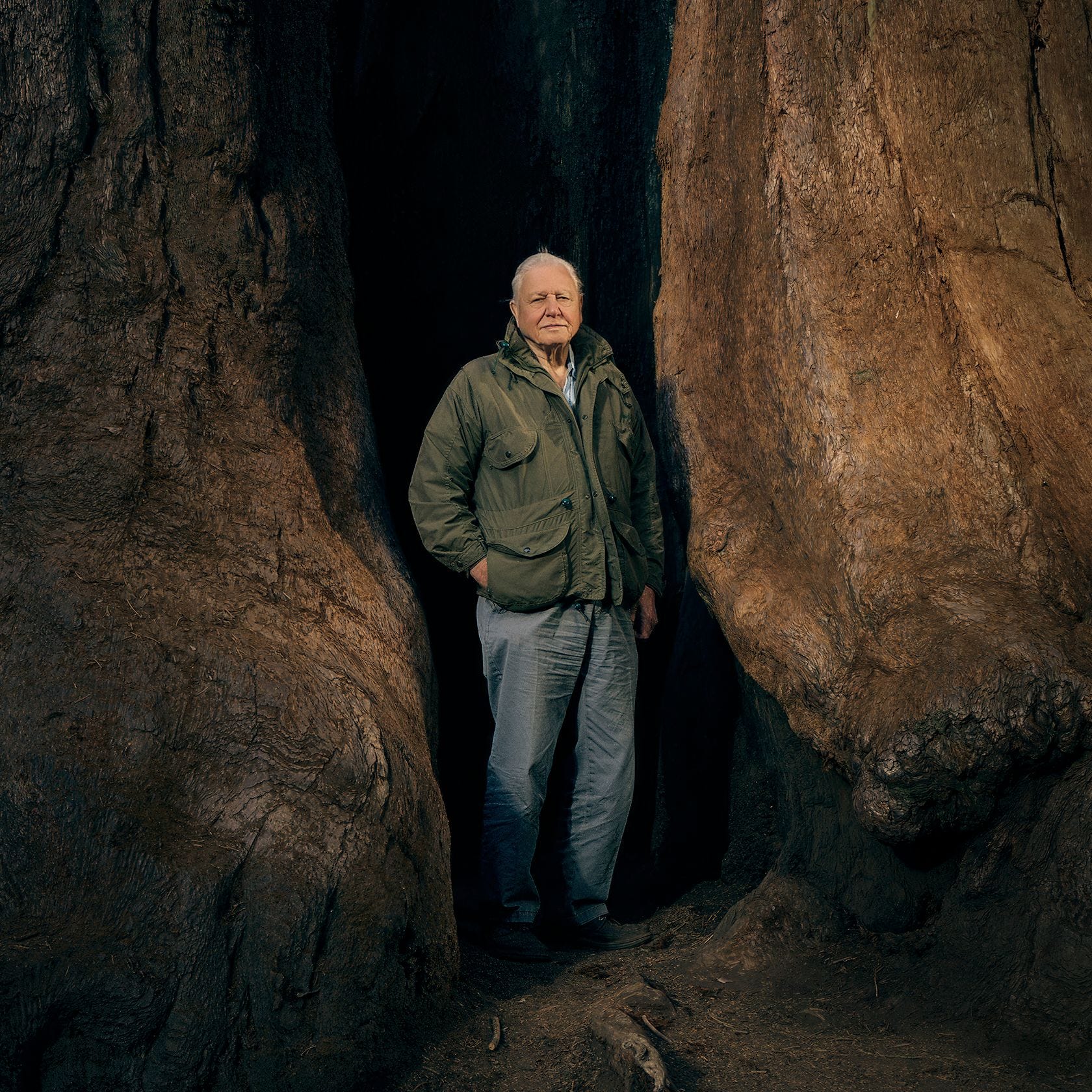
A Hundred Years of David Attenborough
For generations of TV viewers, the beloved presenter has linked the patch of glass in our living rooms and the wide world beyond. And he’s not done yet. [New Yorker*]
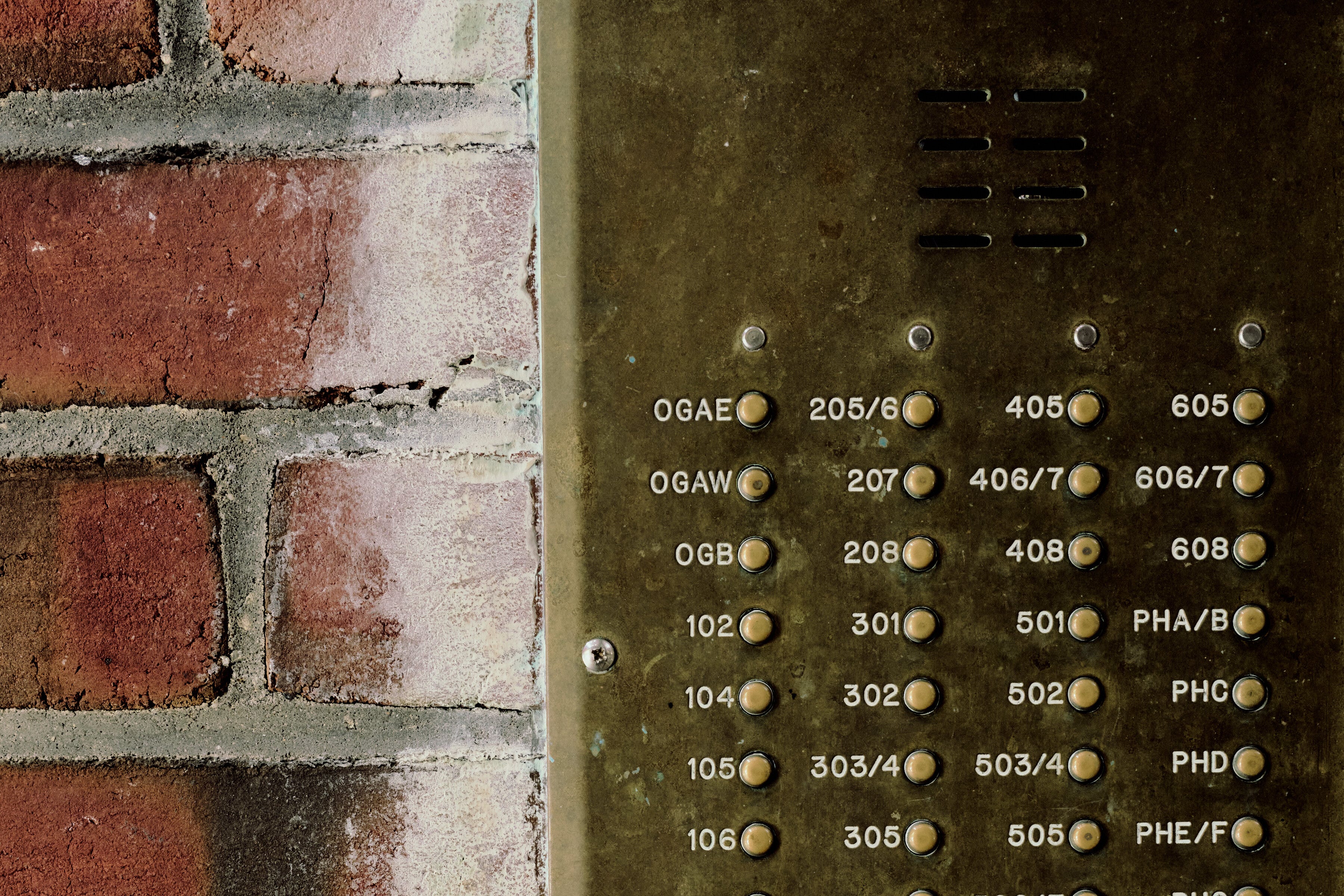
The Analog Charms of New York’s Intercoms
“New York apartment buzzers are loud, often broken and haven’t been upgraded since the ’70s. But would we have it any other way?” [NYT*]
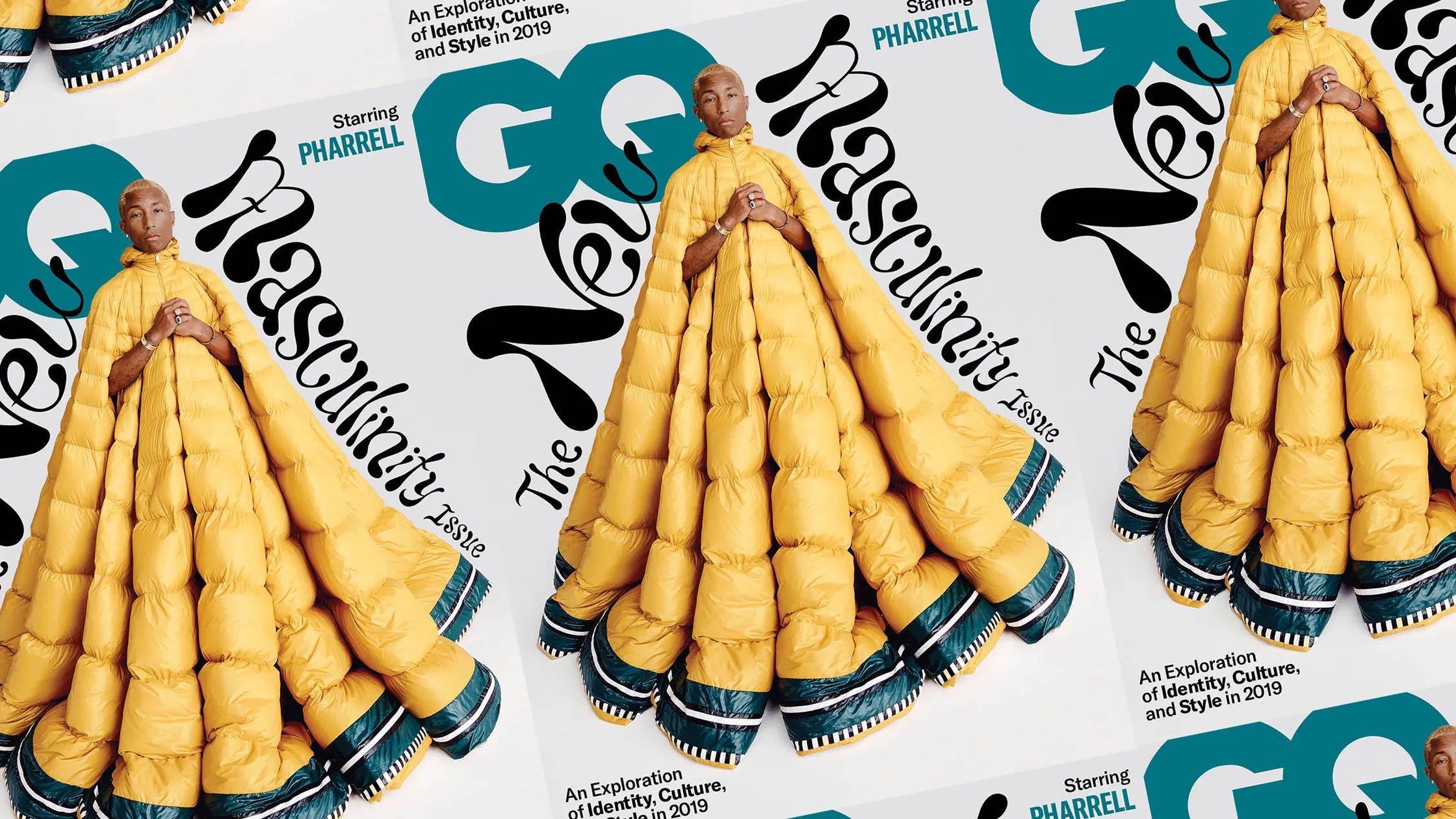
GQ Is Dead. Long Live GQ.
“The iconic magazine is entering a new era. Could I learn to love it again?” [Mensweird]

What Makes a Great Bookshop?
“My favourites in London” [The Culture Dump]

After a 40-year wait, technology finally enables three-sided zipper design


A shortlist of things we’ve got our eye on.

Buck Mason Japanese Loomstate Selvedge Full Saddle Jean

Best Made Co. Possibilities Jacket Navy

J. Mueser Olive Tencel Work Shirt

Velva Sheen Stripe Tee - Coyote

Norse Projects x Paraboot Fasan Shoe


Summer

Cape Cod Beach Chair

Oyster Tempo Pro

American Trench Activities Short

William Ellery Pocket Picnic Shirt (Striped Rope)

Yeti Rambler 16oz Stackable Beach Cocktail Cup
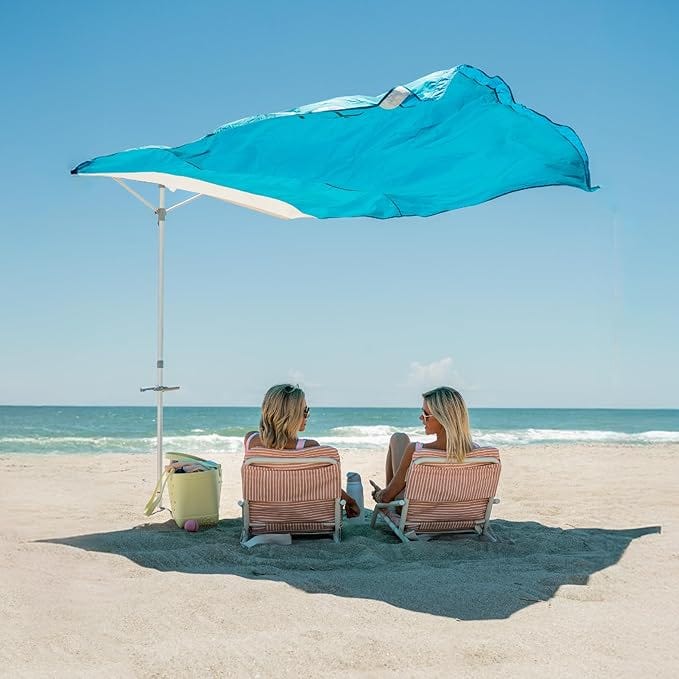
Solbello Sun Shade

OMTC No106 Shirt Jacket

Ray Ban Meta Glasses Gen 2

Kyle Rancourt
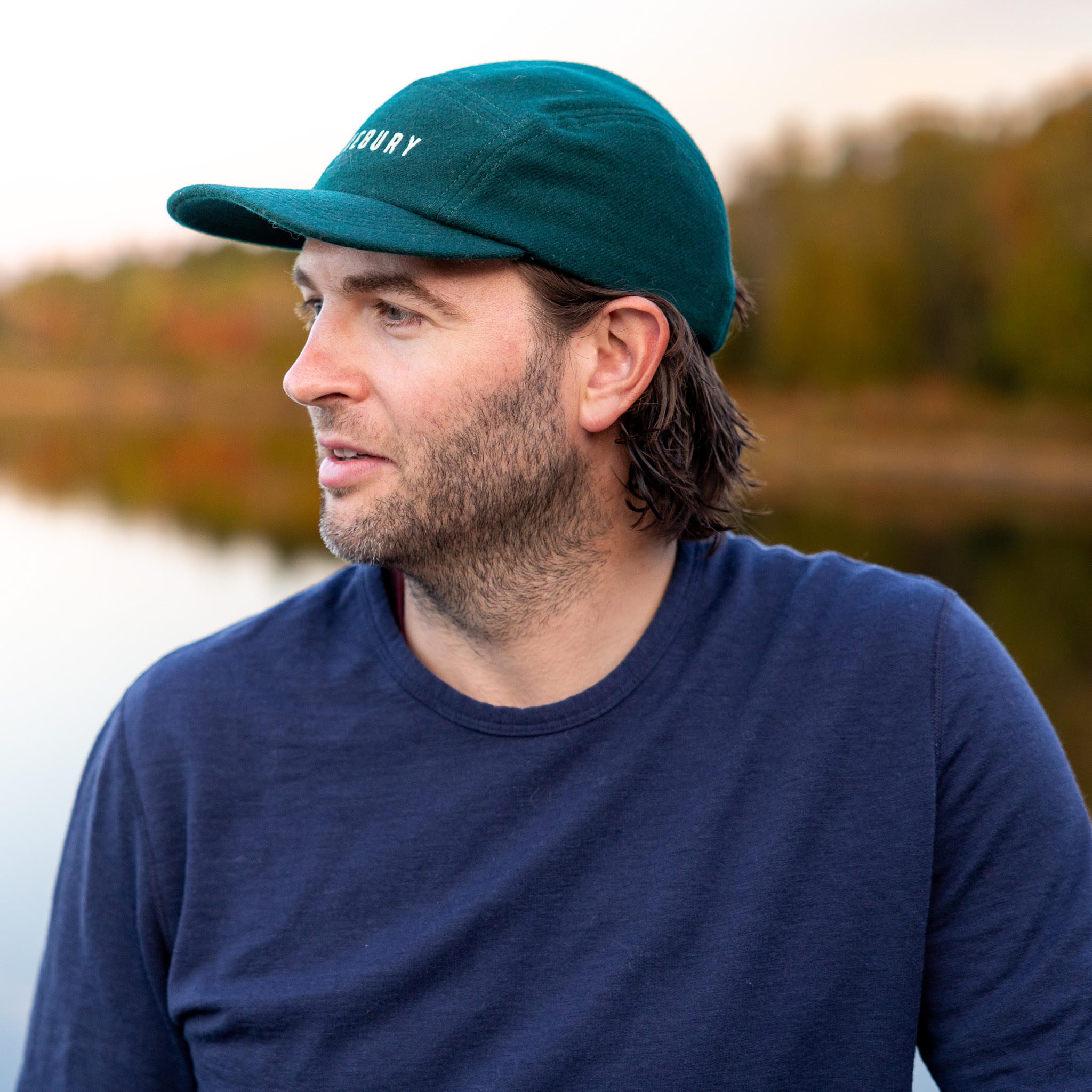
Kyle Rancourt grew up around manufacturing. His family business, Rancourt & Co., has been making footwear in Maine for generations, and by the time he was seventeen, he was already traveling with his father to Italian tanneries and coming home with shoes that looked completely different from what most American stores were carrying at the time. Kyle’s also someone whose perspective on products we’ve always trusted, so when he launched Pinebury, we were interested right away. Since then, the brand has carved out its own lane with merino wool cycling apparel and a more straightforward approach to performance clothing. We spoke with him about what carries over between footwear and apparel manufacturing, the Allied Cycle Works bike he’s been riding for the last six years, and why old Tour de France footage has been holding his attention lately.
You’ve spent a lot of time wearing and thinking about merino wool. What separates the pieces people live in from the ones that sound good on paper but never really become favorites?
I️ think what separates the two is primarily comfort. Garments that are made from soft and comfortable fabric with a great fit are the ones you’ll reach for daily. I️ always look for the piece that feels good on my body, breathes well, and is soft against my skin.
Growing up around Rancourt & Co., when did you first realize you were paying attention to products differently than most people around you?
From six or seven years old my mom would take me school shopping and I️ had very particular tastes. I️ always had specific shoes and clothes that I️ had to get for the new school year. Then around age 17 I️ traveled to Italy with my dad on a business trip. He was sourcing leather from Italian tanneries. I️ must have explored a dozen shoe stores and came back with a couple of pairs of Italian-made leather shoes that were different than anything I’d been seeing in US stores. That’s when I️ probably realized I️ was looking at footwear and clothing much differently than my friends but at the same time it was normal in my family. My dad would examine the leather and construction of the shoes I️ bought and render a verdict.
What made you think you could actually make the cycling clothing you weren’t finding anywhere else?
That’s difficult to answer, but I️ have a few thoughts. First my experience in manufacturing and commitment to American manufacturing. 12 years (at the time) in the industry and I’d made a lot of connections, so I️ had a pretty robust network to help get me started. Second, as a lifelong cyclist and outdoor athlete I️ had a ton of experience with performance-oriented clothing and a good sense of what works and what doesn’t. Last, looking around I️ realized no one was specializing in merino wool in cycling and I️ saw an opportunity. Many people, including myself, were sick of the same over-priced synthetic clothing that was engineered for elite pro athletes and not comfortable for the average rider. I️ bet that there would be demand for American-made merino wool cycling apparel and active wear that prioritizes comfort and durability.
What’s a piece of gear you’ve owned forever that still makes you think somebody absolutely nailed it?
The first one that comes to mind is my road bike from Allied. I️ haven’t owned it “forever” but 6 years is a long time in the rapidly evolving carbon race bike sector. I️ have an original Alfa and it’s the best bike I’ve ever owned. Made in Bentonville, AR.
I️ also have a Schott Jacket, shawl collar peacoat in Navy waxed canvas with a wool lining, that I’ve owned for 15 years, and still wear regularly. It’s a great coat for Maine weather.
You grew up around a family business built on making things in America and now you’re doing it again in a completely different category. What’s something that translated directly, and what didn’t?
Great question. Almost everything translates directly. Although Pinebury is still small our systems and operations are set up to be a much larger business given my experience running a much larger business at Rancourt & Co. US manufacturing can be challenging so ensuring we are as organized and efficient as possible gives us the best opportunity to succeed.
While I️ know manufacturing, apparel manufacturing is different from footwear manufacturing in some ways. I’ve had to learn all of the intricacies of spreading and cutting lightweight merino wool, the many different types of garment construction and how to utilize them effectively, and managing inconsistency in fit across a wide range of fabrics.
What’s been holding your attention lately — gear, places, bikes, books, old ads, anything like that?
Love this question as there is such an ebb and flow to interests in life. While bike racing dominated much of my time and attention over the last 15 years that has shifted in the time since I started Pinebury. I️ have a personal answer to this question and a business/brand answer.
Personally I’ve been super engaged in the art and science of espresso lately. I️ got my first home espresso machine in December 2025 and three months later moved it to my office and upgraded to the Fellow Series 1 at home. I’ve gone deep on technique, preparation and beans. It’s paid off because I’m making espresso almost as good as any specialty coffee shop I’ve ever been to. When I️ travel I️ always dedicate time to exploring the local coffee scene and buying beans from local roasters. Two notables recently are FreeForm in Sedona and Onyx in Bentonville. Both sell their beans online and are excellent. Light Roast ftw!
On the brand side of things, my wife has been playing 1950’s Tour de France videos on YouTube in our Portland, Maine store and their cycling-kit style has inspired us. They wore wool jerseys and shorts. The jerseys were typically three button collared shirts like a polo, with pockets on the front and back. And the wool bike shorts had a much shorter inseam than the knee length “aero” style you see nowadays (with some exceptions). It felt like a balance of performance and style, which is exactly what Pinebury stands for.
Huge Pinebury fan. Fantastic shirts for hiking, biking, and running that are stylish and reasonably priced.
🙏🏻